


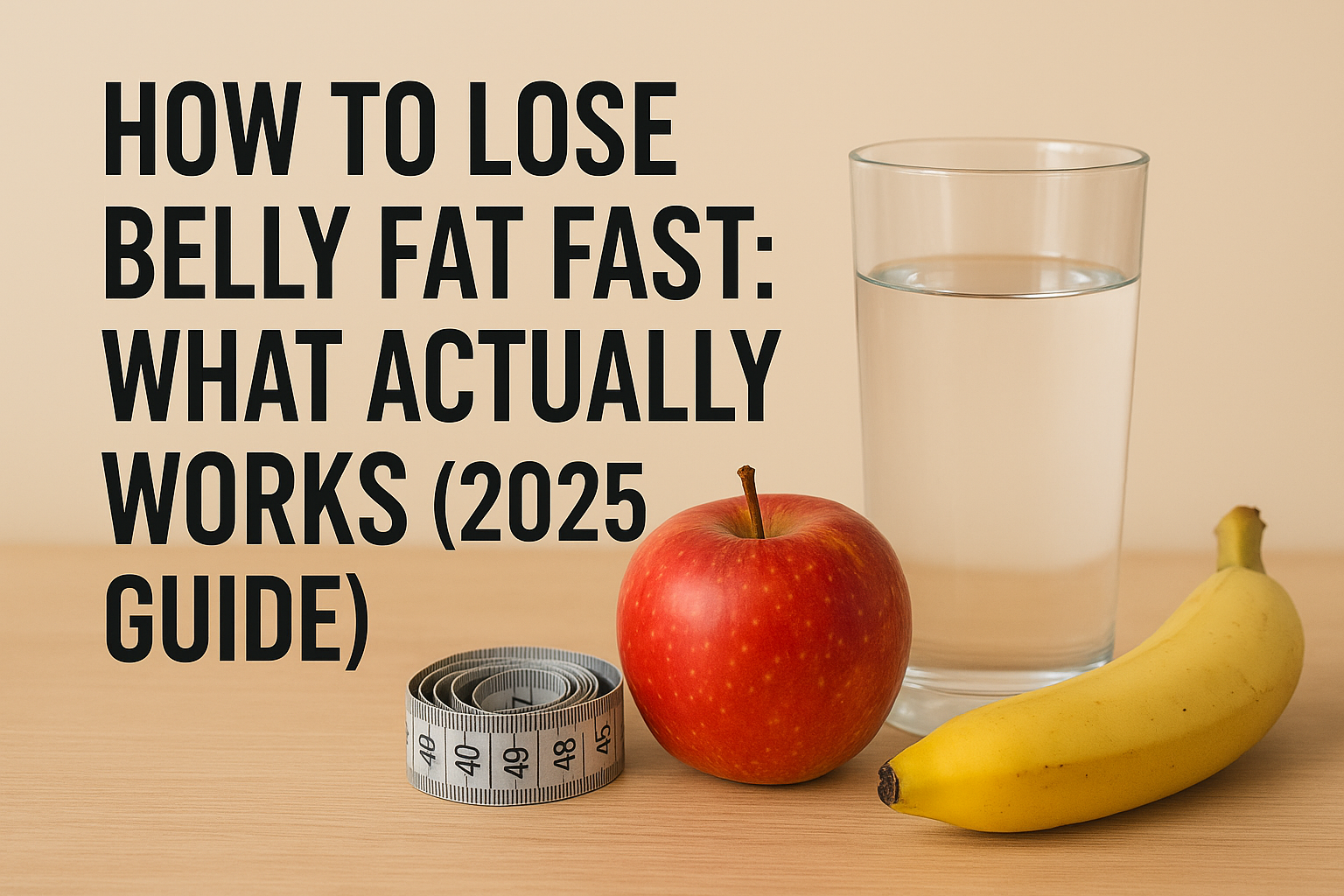
Do you wake up with a flat stomach but go to bed looking three months pregnant?
If so, you are not alone. Bloating is one of the most common gastrointestinal complaints worldwide. While it is often dismissed as a minor annoyance or a vanity issue, chronic bloating can be physically painful and distressing. It affects your energy, your clothing choices, and your overall mood.
The good news is that bloating is rarely a random occurrence. It is a physiological signal from your body that digestion is being interrupted. Whether it is caused by excess gas production, fluid retention, or digestive motility issues, the root cause is usually identifiable.
This guide explores the science behind why you feel bloated and provides actionable, expert-backed strategies to fix it.
The Science of the Bloat: Gas vs. Water
To treat bloating effectively, you must first identify what kind of bloating you have. Most cases fall into two categories:
1. Gas Bloating: This feels like a hard, distended drum in your abdomen. You feel “full of air.” This is usually caused by fermentation in the gut.
2. Water Retention: This feels like a general puffiness, often in the face, hands, and feet as well as the stomach. This is usually caused by electrolyte imbalances (too much salt).
Here are the five most common reasons your digestive system is reacting this way.
Top 5 Common Causes of Chronic Bloating
1. The “Silent” Constipation
You might believe your digestion is normal because you have a bowel movement daily. However, incomplete evacuation is the leading cause of visible distension.
When the colon is full, it takes up physical space in the abdominal cavity. Furthermore, the longer stool remains in the colon, the longer bacteria have to ferment it. This fermentation releases gas that becomes trapped behind the stool, creating significant pressure and discomfort.
2. Sensitivity to High-FODMAP Foods
Healthy food is not always “gut-friendly” food. A specific group of carbohydrates known as FODMAPs (Fermentable Oligosaccharides, Disaccharides, Monosaccharides, and Polyols) are notoriously difficult for many people to digest.
Foods like onions, garlic, beans, apples, and wheat contain sugars that the small intestine often fails to absorb completely. They travel to the large intestine, where bacteria rapidly ferment them, acting like fuel for gas production.
3. Swallowing Air (Aerophagia)
Sometimes the gas in your stomach isn’t produced by biology; it is mechanics. Eating too quickly, talking while chewing, drinking through straws, and chewing gum all force excess air into the stomach.
Carbonated beverages (soda and sparkling water) are also major culprits. When you drink carbonation, you are swallowing carbon dioxide gas, which expands in the warm environment of the stomach.
4. SIBO (Small Intestinal Bacterial Overgrowth)
In a healthy digestive system, the vast majority of bacteria live in the large intestine.
In patients with SIBO, bacteria migrate upward and colonize the small intestine. When you eat, these bacteria begin fermenting the food before your body can absorb the nutrients. This causes immediate, severe bloating often within 30 to 60 minutes of eating.
5. Sodium Overload
If you feel “puffy” rather than “gassy,” look at your salt intake. Processed foods and restaurant meals are often loaded with sodium. Biology dictates that water follows salt. When sodium levels spike, your kidneys hold onto water to maintain balance, leading to fluid retention and a bloated feeling.
Immediate Relief: How to De-Bloat Right Now
If you are currently in pain and need a quick fix, these strategies can help stimulate the gut and release trapped gas.
• Peppermint Oil: Peppermint is a natural antispasmodic. It relaxes the smooth muscles of the bowel wall, allowing trapped gas to pass more easily. Expert Tip: Use enteric-coated capsules to ensure the oil reaches the intestines rather than dissolving in the stomach.
• Gentle Movement: Laying down often makes bloating worse because gravity is not helping digestion. A 15-minute walk can stimulate peristalsis (the wave-like muscle contractions of the gut).
• Abdominal Massage: Rubbing your stomach in a clockwise motion follows the path of the colon (from the right hip, up to the ribs, across to the left, and down). This can physically guide gas toward the exit.
• Drink Warm Water: Cold water can shock the stomach, while warm water aids circulation and digestion.
Long-Term Solutions: Preventing the Bloat
To stop the cycle permanently, you need to address your lifestyle habits.
Adopt the “Low FODMAP” Approach
Considered the gold standard by gastroenterologists (and developed by researchers at Monash University), this elimination diet involves removing high-fermentation foods for 2-6 weeks to calm the gut. Once symptoms resolve, you reintroduce foods one by one to identify your specific triggers.
Check Your Fiber Intake
We are often told to “eat more fiber,” but increasing fiber too quickly is a recipe for bloating. Fiber adds bulk to the stool. If you add too much bulk without drinking enough water, it creates a blockage. Increase fiber intake slowly over several weeks and double your hydration.
Practice “Mindful Eating”
Digestion begins in the mouth. The stomach does not have teeth. If you swallow large chunks of food, your digestive system has to work overtime to break them down. Chew food until it reaches an applesauce consistency. This reduces the workload on the stomach and prevents air swallowing.
When to See a Doctor
While occasional bloating is normal, persistent bloating can signal underlying health issues. Consult a medical professional if your bloating is accompanied by:
• Unexplained weight loss.
• Blood in the stool.
• Persistent changes in bowel habits (chronic diarrhea or constipation).
• Severe abdominal pain that does not pass.
Conclusion
A flatter stomach isn’t just about aesthetics; it is about a functioning digestive system. By identifying your triggers—whether it is stress, speed of eating, or specific carbohydrates—you can reduce inflammation and improve your gut health.
Start by slowing down your meals and monitoring how you react to high-FODMAP foods. Your gut is communicating with you; you just need to learn its language.
Frequently Asked Questions (FAQ)
Does drinking water help with bloating?
Yes. While it seems counterintuitive to add liquid to a bloated stomach, water helps flush out excess sodium and keeps things moving through the digestive tract, preventing constipation.
Why do I bloat after eating salad?
Raw vegetables are difficult to break down. They contain high amounts of insoluble fiber. If you have a sensitive gut, try cooking your vegetables (steaming or roasting) to break down the fiber structures before you eat them.
Is bloating a sign of gluten intolerance?
It can be. Bloating is a primary symptom of Celiac disease and non-celiac gluten sensitivity. However, it is often the fructans (a type of FODMAP) in wheat, rather than the gluten protein, that causes the gas.
Sources:
1. Johns Hopkins Medicine: Bloating Causes and Prevention.
2. Monash University: The Low FODMAP Diet.
3. The Mayo Clinic: Intestinal Gas and Bloating.