


You wake up, pour coffee, check your phone, and start your day. These simple actions feel normal and harmless. But many everyday habits slowly damage your health in ways that go unnoticed until real problems develop.
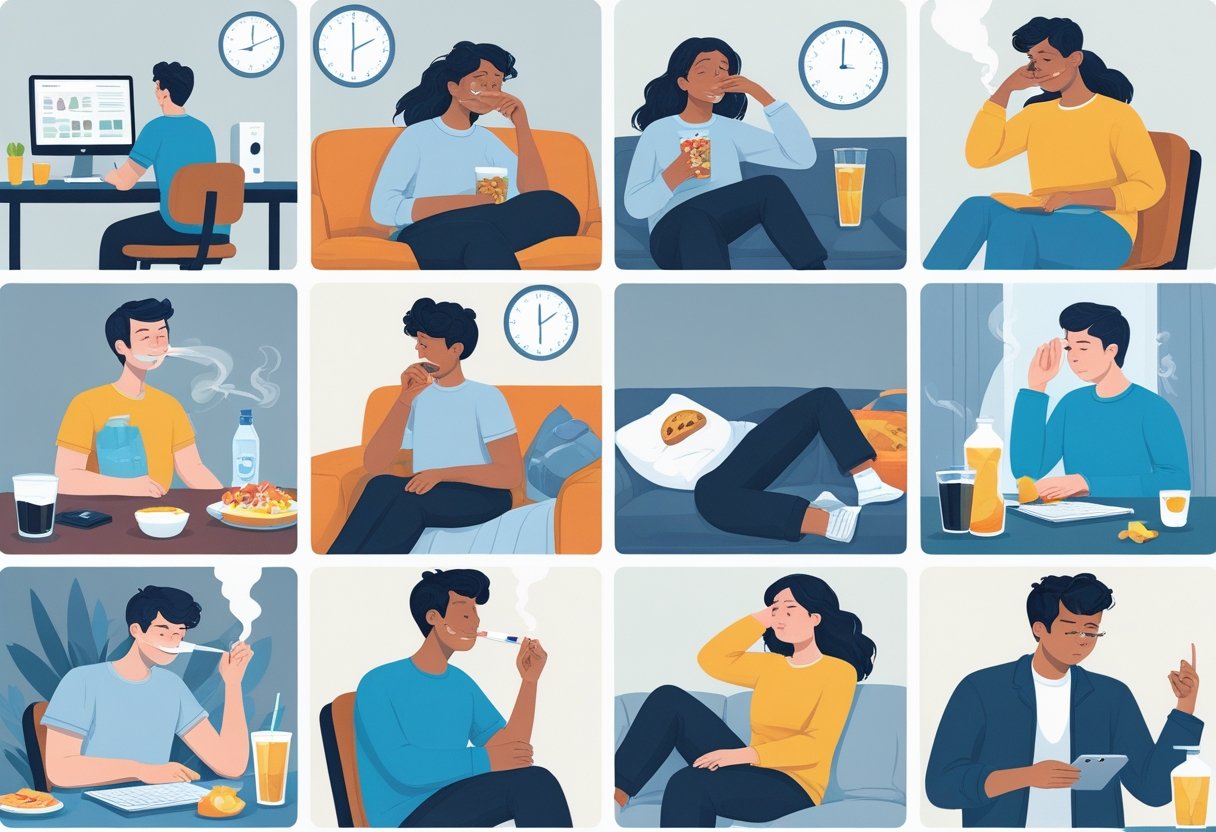
The most dangerous habits are the ones that seem completely fine. Skipping breakfast might save time. Sitting at a desk all day is just part of work. Scrolling through social media before bed helps you relax. Yet these small choices add up over time and create serious health issues.
This article reveals the hidden habits that harm your body, the lifestyle patterns that affect long-term health, and the mental triggers that work against your wellbeing. It also shows practical ways to break these cycles and build healthier routines that actually stick.
Hidden Daily Habits That Harm Your Body
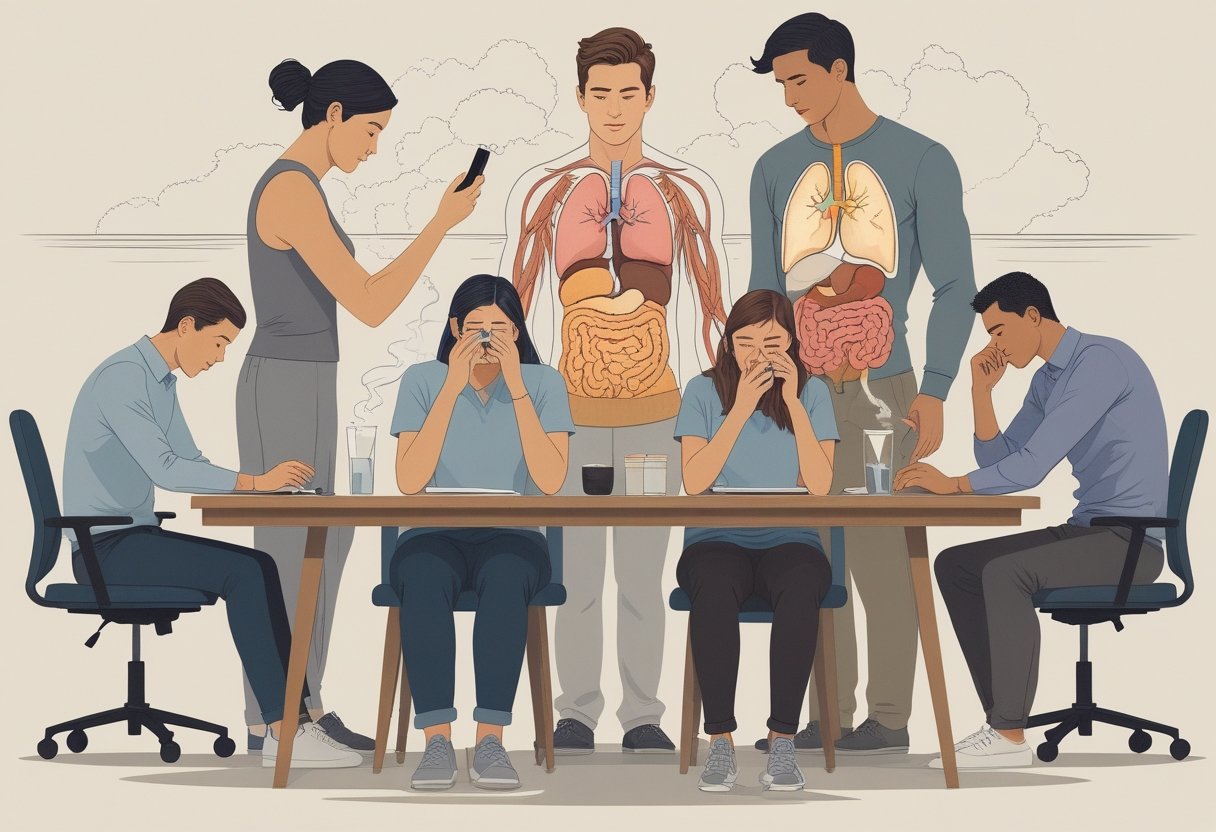
Many people damage their health through small actions they repeat every day without thinking. These behaviors affect metabolism, blood sugar levels, physical fitness, and organ function over time.
Skipping Breakfast and Poor Morning Choices
Skipping breakfast forces the body to run on empty during its most active hours. This slows down metabolism and makes the body store more fat when food finally arrives.
People who skip breakfast often overeat later in the day. They reach for quick snacks that are high in sugar and low in nutrients. This pattern leads to weight gain and unstable energy levels throughout the day.
A balanced breakfast should include protein, healthy fats, and fiber. These nutrients keep blood sugar stable and prevent mid-morning crashes. Whole grain toast with eggs, oatmeal with nuts, or Greek yogurt with fruit all provide lasting energy.
The body needs fuel within two hours of waking up. Without it, digestion becomes sluggish and the brain struggles to focus. Morning food choices set the tone for eating patterns throughout the entire day.
Excessive Sitting and Sedentary Lifestyle
The average person sits for 8 to 12 hours each day. This includes time at work, during commutes, and at home watching screens. Sitting too much slows blood flow and weakens muscles.
Extended sitting increases the risk of obesity, diabetes, and heart disease. The body burns minimal calories while seated. Blood pools in the legs, and the spine compresses under constant pressure.
Health risks from prolonged sitting:
- Higher blood pressure
- Increased blood sugar levels
- Greater waist circumference
- Elevated cholesterol
A standing desk offers one solution for office workers. Standing burns more calories than sitting and keeps muscles engaged. However, standing all day brings its own problems, so alternating between sitting and standing works best.
Taking brief walking breaks every 30 minutes helps counter sitting damage. Even two minutes of movement restarts circulation and activates muscles.
Constant Screen Exposure
Blue light from phones, tablets, and computers disrupts natural sleep patterns. This light tells the brain to stay awake, even late at night. Poor sleep then affects mood, memory, and immune function.
Screens also strain the eyes. Staring at digital displays reduces blinking, which dries out the eyes and causes irritation. Many people develop headaches and blurred vision from extended screen time.
The 20-20-20 rule helps protect eyes: every 20 minutes, look at something 20 feet away for 20 seconds. This simple break relaxes eye muscles and prevents strain.
Screen time before bed should stop at least one hour early. The brain needs time to wind down without digital stimulation. Reading a physical book or listening to calm music works better for sleep preparation.
Drinking Soda and Sugary Beverages
One can of regular soda contains about 40 grams of sugar. That equals 10 teaspoons of pure sugar entering the bloodstream at once. The body cannot process this amount efficiently.
Drinking soda regularly leads to rapid blood sugar spikes followed by crashes. These swings make people feel tired and hungry soon after drinking. Over time, this pattern contributes to insulin resistance and diabetes.
Energy drinks pose similar risks but add high caffeine doses. They stress the heart and disrupt normal sleep cycles. Diet sodas avoid sugar but contain artificial sweeteners that may harm gut bacteria.
Better drink alternatives:
- Water with lemon or cucumber
- Unsweetened tea
- Sparkling water with fruit
- Black coffee in moderation
Sodas also damage teeth by creating an acidic environment in the mouth. The combination of sugar and acid erodes enamel faster than most other foods. Switching to water protects both metabolic health and dental health.