


Your body sends signals when something is off, but many women brush aside symptoms like fatigue, mood swings, or weight changes as normal parts of aging or stress. Hormone imbalances affect millions of women and can disrupt everything from energy levels and sleep patterns to menstrual cycles and mental clarity. Recognizing these warning signs early makes it possible to seek proper testing and treatment before minor issues develop into more serious health concerns.
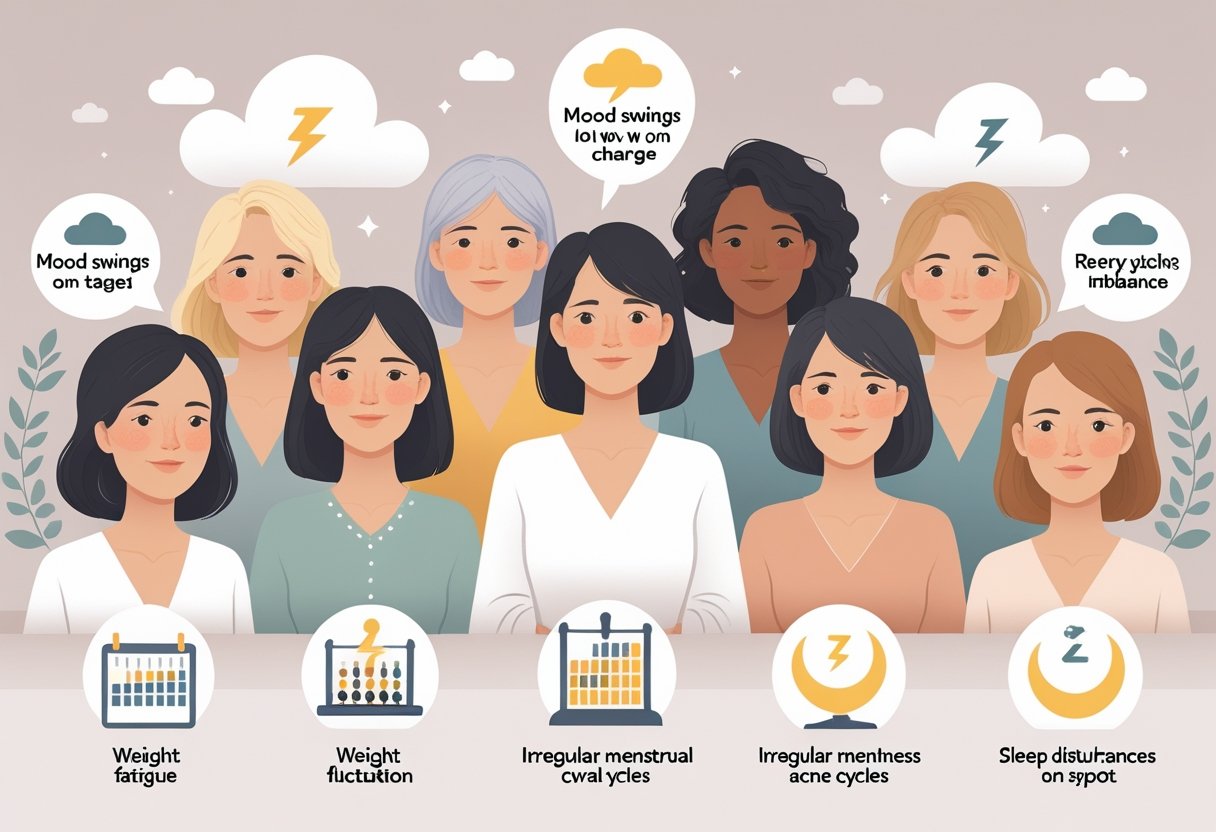
The symptoms of hormone imbalance often overlap with other conditions, making them easy to miss or misdiagnose. A woman might experience irregular periods alongside persistent exhaustion, sudden weight gain, or unexplained anxiety. These signs point to potential imbalances in estrogen, progesterone, thyroid hormones, or other chemical messengers that regulate body functions.
Understanding what to watch for helps women take control of their health. From changes in skin and hair to shifts in mood and metabolism, hormone-related symptoms show up in many ways. Learning to identify these patterns provides the knowledge needed to have productive conversations with healthcare providers and pursue effective solutions.
Understanding Hormone Imbalance in Women
Hormones act as chemical messengers that control most body functions, and when these levels shift too high or too low, women experience a wide range of symptoms. The endocrine system produces these hormones, and each one plays a specific role in maintaining health.
What Are Hormones and Their Functions
Hormones are chemicals made by glands in the endocrine system. They travel through the bloodstream to organs and tissues.
These substances control many body processes. They regulate metabolism, sleep, mood, growth, and reproduction. They also manage stress response and energy levels.
The endocrine system includes several glands:
- Pituitary gland: Controls other hormone glands
- Thyroid gland: Manages metabolism and energy
- Adrenal glands: Handle stress response
- Ovaries: Produce reproductive hormones
- Pancreas: Regulates blood sugar
Each gland releases specific hormones at the right times. When one hormone changes, it can affect others because they work together as a system.
How Hormonal Imbalance Affects Women’s Health
A hormonal imbalance happens when the body has too much or too little of a specific hormone. Even small changes can create noticeable effects throughout the body.
Women face unique hormone fluctuations during menstrual cycles, pregnancy, and menopause. These natural shifts can sometimes lead to imbalances that need attention.
The effects show up in multiple ways. Physical symptoms include weight changes, skin problems, and irregular periods. Mental symptoms involve mood swings, anxiety, and trouble concentrating.
Hormonal imbalance can also affect fertility and bone health. It may lead to conditions like polycystic ovary syndrome or thyroid disorders. Left untreated, these imbalances increase the risk of heart disease and diabetes.
Major Hormones Involved in Women’s Health
Estrogen controls the menstrual cycle and supports bone strength. It affects skin, hair, and mood. Low levels cause hot flashes and vaginal dryness. High levels may lead to heavy periods and breast tenderness.
Progesterone prepares the body for pregnancy each month. It balances estrogen and helps with sleep. Low progesterone causes irregular periods and mood changes.
Testosterone exists in smaller amounts in women but remains important. It affects sex drive, muscle mass, and energy levels. Too much causes acne and unwanted hair growth.
Thyroid hormones control metabolism and body temperature. An underactive thyroid leads to weight gain and fatigue. An overactive thyroid causes weight loss and anxiety.
Cortisol comes from the adrenal glands and manages stress response. Chronic stress keeps cortisol high, which disrupts other hormones. This affects sleep, weight, and immune function.
Key Symptoms of Hormone Imbalance
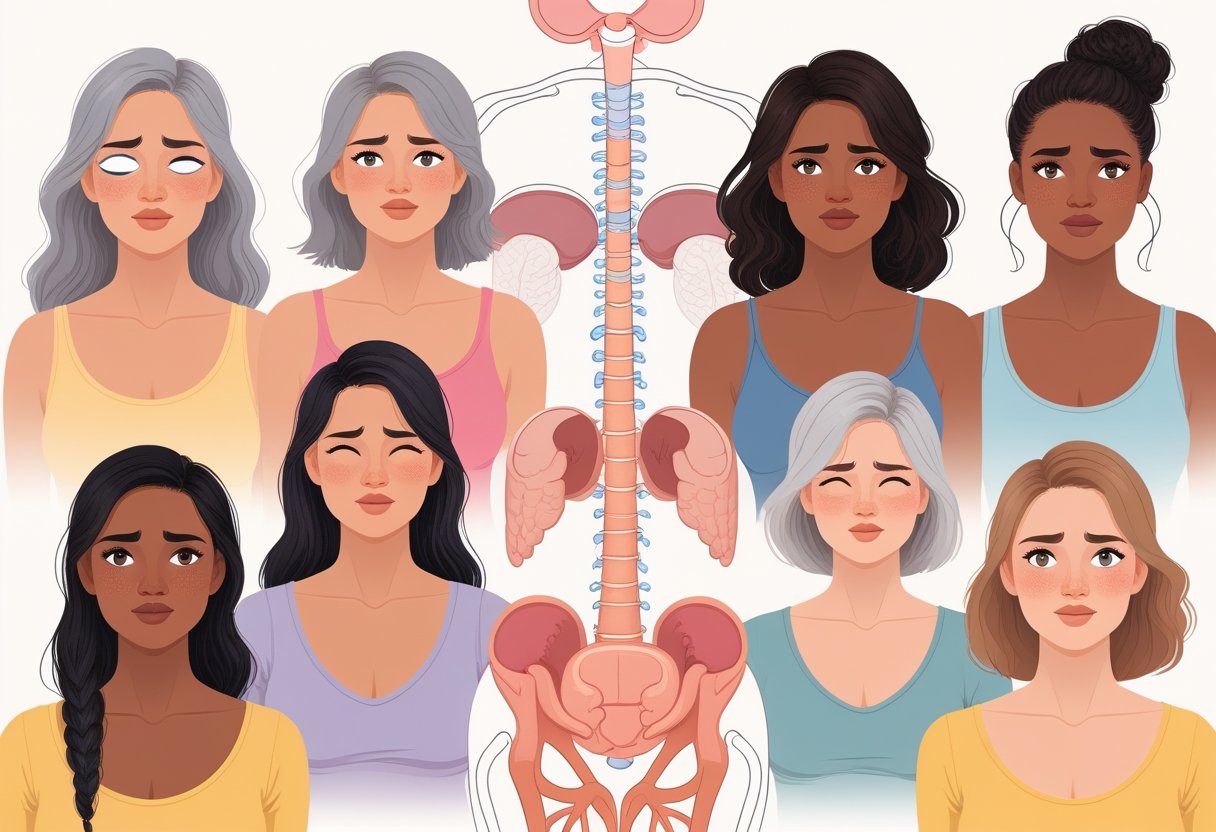
Hormones control many body functions, and when they become unbalanced, specific symptoms appear that affect daily life. Women may notice changes in their menstrual cycles, weight, mood, and energy levels that signal something is off.
Menstrual Irregularities and Period Changes
Irregular periods are one of the most common symptoms of hormonal imbalance. A normal menstrual cycle typically occurs every 21 to 35 days, but hormone disruptions can cause cycles to become shorter, longer, or unpredictable.
Heavy periods that require changing pads or tampons every hour or two often result from too much estrogen or too little progesterone. Some women experience very light periods or skip periods entirely for months at a time. Spotting between periods can also indicate hormone problems.
Painful cramps that interfere with daily activities may worsen when hormones are out of balance. The length of menstrual cycles can vary dramatically, making it difficult to predict when the next period will arrive. These menstrual irregularities affect fertility and can signal conditions like polycystic ovary syndrome or thyroid disorders.
Unexplained Weight Changes and Metabolic Symptoms
Weight gain that happens without changes to diet or exercise often points to hormonal problems. The thyroid gland produces hormones that control metabolism, and when thyroid hormone levels drop, the body burns calories more slowly.
Low thyroid function leads to weight gain even with reduced calorie intake. High cortisol levels from chronic stress cause weight to accumulate around the midsection. Insulin resistance makes it harder for cells to use glucose properly, which triggers fat storage.
Some women experience unexpected weight loss when thyroid hormones are too high. This speeds up metabolism and causes rapid weight changes despite normal eating habits. Hormone imbalances also affect appetite, with some hormones increasing hunger and cravings while others suppress it. Changes in how the body stores fat and where it accumulates are key signs that metabolism has shifted due to hormonal issues.
Mood Swings, Depression, and Anxiety
Hormones directly affect brain chemistry and emotional well-being. Estrogen influences serotonin production, which regulates mood and feelings of happiness. When estrogen levels fluctuate or drop, depression and anxiety often increase.
Women may feel irritable or angry without a clear reason. Anxiety can manifest as racing thoughts, worry, or panic attacks that seem to come out of nowhere. Some women cry more easily or feel overwhelmed by tasks that previously seemed manageable.
Mood swings can shift rapidly throughout the day or follow patterns tied to the menstrual cycle. Progesterone affects GABA receptors in the brain, which promote calmness. Low progesterone contributes to feelings of nervousness and difficulty relaxing. These emotional changes are not character flaws but physical responses to chemical imbalances in the body.
Persistent Fatigue and Low Energy
Fatigue from hormone imbalance differs from normal tiredness because rest does not relieve it. Women wake up feeling exhausted even after a full night of sleep. This type of fatigue makes it difficult to complete daily tasks and exercise.
Thyroid hormones regulate energy production in every cell of the body. When thyroid levels are low, energy drops significantly and concentration becomes difficult. Low progesterone also disrupts sleep quality, preventing the body from reaching deep, restorative sleep stages.
Adrenal hormones like cortisol affect energy levels throughout the day. Cortisol should be highest in the morning and lowest at night, but stress and hormone imbalances disrupt this pattern. Some women feel wired at night but exhausted during the day. This persistent lack of energy affects work performance, relationships, and quality of life.
Physical and Visible Signs of Hormone Imbalance
Hormones affect how the body looks and functions on the outside. Changes in skin, hair, temperature regulation, and digestion often serve as visible clues that hormones are out of balance.
Skin Changes and Acne
Hormonal shifts directly impact oil production in the skin. When androgens like testosterone increase or estrogen levels drop, the skin produces more sebum. This leads to clogged pores and breakouts.
Acne from hormone imbalance typically appears along the jawline, chin, and lower cheeks. These breakouts often flare up before periods or during times of high stress. The skin may also become oilier in certain areas while developing dry patches in others.
Beyond acne, hormonal changes can cause other skin issues:
- Increased sensitivity or redness
- Rough texture or uneven tone
- Rash-like irritation
- Loss of firmness or elasticity
Women going through perimenopause or menopause often notice their skin becomes drier and thinner. Estrogen helps maintain collagen and moisture in the skin. When estrogen declines, these changes become more apparent.
Hair Loss and Thinning
Hair growth depends on balanced hormones. Thyroid hormones, estrogen, and androgens all play a role in the hair growth cycle. When these hormones shift, hair can thin or fall out.
Hair loss from hormone imbalance shows up in specific patterns. Women may notice more strands on their pillow or in the shower drain. The part line may widen or the crown area may become less dense.
Common causes include:
- Low thyroid hormones slowing hair growth
- High androgens shrinking hair follicles
- Dropping estrogen after pregnancy or during menopause
- Elevated cortisol from chronic stress
The hair may also change texture. It can become finer, more brittle, or grow more slowly than before. Some women experience excess hair growth on the face or body while losing hair on the scalp.
Hot Flashes and Night Sweats
Hot flashes happen when estrogen levels fluctuate or decline. The brain’s temperature control center becomes more sensitive to small changes in body heat. This triggers a sudden feeling of intense warmth.
A hot flash typically starts in the face, neck, or chest. It spreads quickly and may cause flushed skin and rapid heartbeat. The episode usually lasts one to five minutes.
Night sweats are hot flashes that occur during sleep. They can soak through clothing and bedding. This disrupts rest and leads to fatigue the next day.
These symptoms are most common during perimenopause and menopause. However, they can also occur with thyroid problems or during times of significant hormonal change.
Bloating and Digestive Upset
Hormones influence how the digestive system works. Estrogen and progesterone affect gut motility and fluid retention. Cortisol impacts inflammation and stress response in the digestive tract.
Bloating often increases before and during periods. Rising progesterone slows digestion, which allows gas to build up. Estrogen can cause the body to retain water, making the abdomen feel tight and swollen.
Women may also experience:
- Constipation when progesterone is high
- Diarrhea when prostaglandins increase during menstruation
- Stomach cramping or discomfort
- Changes in appetite or food sensitivities
If digestive symptoms follow a pattern tied to the menstrual cycle, hormones are likely involved. These issues can also occur during perimenopause when hormone levels become unpredictable.
Hormone Imbalance and Sexual and Reproductive Health
Hormones control key aspects of sexual function and reproductive health, from fertility and menstrual cycles to sexual desire and natural transitions like menopause. When these hormones fall out of balance, women may experience difficulty conceiving, changes in sexual comfort, or early reproductive changes that affect their quality of life.
Fertility and Infertility
Hormone imbalances are a common cause of fertility problems in women. Estrogen and progesterone must work together in the right amounts to support ovulation and prepare the uterus for pregnancy.
When progesterone levels are too low, the uterine lining may not develop properly. This makes it harder for a fertilized egg to implant. Low estrogen can prevent eggs from maturing and releasing during the menstrual cycle.
Polycystic ovary syndrome (PCOS) affects up to 10% of women of reproductive age. This condition causes high androgen levels and insulin resistance. Women with PCOS often have irregular periods or no periods at all, which makes natural conception difficult.
Thyroid hormone imbalances also affect fertility. Both hypothyroidism and hyperthyroidism can disrupt ovulation and increase the risk of miscarriage. Elevated cortisol from chronic stress can interfere with reproductive hormones and reduce fertility.
Low Libido and Vaginal Dryness
Changes in sexual desire and comfort often result from shifting hormone levels. Low estrogen and testosterone are the main causes of reduced libido in women.
Testosterone influences sexual desire in women, even though it exists in smaller amounts than in men. When testosterone drops, many women notice they feel less interested in sex. This can happen during menopause, after having ovaries removed, or due to certain medications.
Vaginal dryness occurs when estrogen levels decline. Estrogen keeps vaginal tissues healthy, moist, and elastic. Without enough estrogen, the vaginal walls become thinner and produce less natural lubrication. This can make sex uncomfortable or painful.
These symptoms are most common during menopause but can happen at other times too. Breastfeeding, certain birth control methods, and some medical treatments can lower estrogen temporarily.
Menopause, Perimenopause, and POI
Perimenopause is the transition period before menopause when hormone levels start to fluctuate. This usually begins in a woman’s 40s but can start earlier. Estrogen and progesterone levels rise and fall unevenly, causing irregular periods, hot flashes, night sweats, and mood changes.
Menopause officially starts 12 months after the last menstrual period. The average age is 51. During menopause, the ovaries produce very little estrogen and progesterone. Common symptoms include hot flashes, vaginal dryness, sleep problems, and changes in sexual function.
Primary ovarian insufficiency (POI) happens when the ovaries stop working normally before age 40. This causes menopause-like symptoms much earlier than expected. Women with POI have low estrogen levels and may stop having regular periods. POI affects about 1 in 100 women under 40.
Early menopause from POI increases health risks. Low estrogen over many years raises the risk of osteoporosis and heart disease.
Underlying Causes and Risk Factors of Hormone Imbalance
Hormones naturally shift throughout a woman’s life, but certain medical conditions, medications, and lifestyle factors can push these changes into imbalance. Understanding what triggers hormone disruption helps women identify when changes are normal and when they need medical attention.
Life Stages: Puberty, Pregnancy, and Menopause
The body experiences major hormone shifts during three key life stages. During puberty, estrogen and progesterone levels rise as the reproductive system develops. This transition typically causes irregular periods, mood changes, and acne until hormone levels stabilize.
Pregnancy brings dramatic increases in estrogen, progesterone, and other hormones to support the developing baby. These changes affect nearly every system in the body. After delivery, hormone levels drop rapidly, which can lead to mood swings and other temporary symptoms.
Menopause marks the end of reproductive years, usually between ages 45 and 55. Estrogen and progesterone production decreases significantly during this time. The transition causes hot flashes, irregular periods, and changes in metabolism that often lead to weight gain. While these hormone changes are natural and expected, they can still cause uncomfortable symptoms that may need treatment.
Medical Conditions and Thyroid Disorders
Several medical conditions directly affect hormone production. Thyroid disorders are among the most common causes of hormone imbalance in women.
Hypothyroidism occurs when the thyroid produces too little thyroid hormone. This slows metabolism and causes fatigue, weight gain, cold sensitivity, and constipation. Hyperthyroidism is the opposite problem, where the thyroid makes too much hormone. This speeds up metabolism and leads to anxiety, rapid heartbeat, weight loss, and difficulty tolerating warm temperatures.
Cushing’s syndrome develops when the body has excess cortisol over long periods. It causes rapid weight gain in the face, belly, and upper back. Polycystic ovary syndrome (PCOS) affects how the ovaries work and often leads to irregular periods, excess body hair, and fertility problems.
Tumors or growths on hormone-producing glands can also disrupt normal hormone levels. Damage to these glands from surgery, radiation therapy, or autoimmune conditions may reduce their ability to make hormones. Blood tests can identify most of these conditions and guide treatment decisions.
Medications, Stress, and Lifestyle Influences
Daily habits and external factors play a significant role in hormone balance. Chronic stress triggers the release of cortisol, which affects other hormone systems when levels stay high for extended periods. High cortisol can disrupt sleep, increase appetite, and interfere with reproductive hormones.
Certain medications alter hormone levels as a side effect. Birth control pills, steroids, and some cancer treatments are known to affect hormone production. Women should discuss potential hormonal effects with their doctor when starting new medications.
Lifestyle factors also matter. Poor sleep disrupts the natural daily rhythm of hormone release. Extreme calorie restriction or excessive exercise can reduce estrogen production. Exposure to chemicals in some plastics and personal care products may interfere with normal hormone function, though research in this area is ongoing.
Diagnosis and Management of Hormone Imbalance
Identifying hormone imbalances requires specific medical tests, while management combines medical treatments with lifestyle adjustments. Women have multiple options for restoring hormonal balance through both clinical interventions and daily health practices.
Diagnostic Tests and Medical Evaluation
Blood tests measure hormone levels directly from the bloodstream. These tests check thyroid hormones like TSH, T3, and T4, along with estrogen, progesterone, and testosterone. Blood tests provide a snapshot of hormone levels at the time of collection.
Saliva tests detect cortisol fluctuations throughout the day. These tests work well for identifying adrenal issues. Women collect multiple samples over 24 hours without invasive procedures.
Urine tests track hormones and their metabolites over a full day. A 24-hour urine collection shows how the body produces and processes hormones over time. This method reveals patterns that single-point tests might miss.
Doctors may order imaging tests if they suspect structural problems. Ultrasounds, CT scans, or MRIs show the thyroid, adrenal glands, or ovaries in detail. These tests help identify tumors or abnormalities.
Hormone Replacement Therapy and Medications
Hormone replacement therapy (HRT) restores estrogen and progesterone levels in women experiencing menopause symptoms. HRT comes in pills, patches, creams, or vaginal rings. Treatment reduces hot flashes, night sweats, and mood changes.
Birth control pills regulate menstrual cycles and balance hormone levels. These medications help women with irregular periods or conditions like PCOS. Birth control provides consistent hormone doses throughout the month.
Thyroid medications treat underactive or overactive thyroid conditions. Synthetic thyroid hormones replace what the body cannot produce. Other medications address specific imbalances like insulin resistance or cortisol problems.
Women should discuss risks and benefits with their doctor before starting any hormone therapy. Treatment plans require regular monitoring and adjustments based on symptoms and test results.
Lifestyle Changes for Hormonal Balance
Exercise supports healthy hormone production and reduces stress. Activities like yoga and Pilates improve both physical fitness and mental relaxation. Women should aim for 30 minutes of moderate activity most days of the week.
Adequate sleep maintains proper hormone function. The body produces and regulates hormones during sleep cycles. Women need 7-9 hours of quality sleep each night in a cool, dark room.
Stress management techniques prevent cortisol spikes that disrupt other hormones. Meditation, deep breathing, and mindfulness exercises calm the nervous system. Even 10 minutes daily makes a difference.
Reducing exposure to endocrine disruptors protects hormone function. These chemicals appear in some plastics, personal care products, and cleaning supplies. Choosing natural products and glass containers helps minimize exposure.
Nutritional Support and Supplements
A balanced diet provides the building blocks for hormone production. Women should eat plenty of fruits, vegetables, whole grains, and lean proteins. Fiber-rich foods help regulate estrogen levels naturally.
Omega-3 fatty acids reduce inflammation that interferes with hormones. Fish, flaxseeds, and walnuts contain these beneficial fats. These foods also support brain health and mood stability.
Magnesium supports over 300 bodily processes, including hormone production. This mineral helps with sleep quality and stress management. Women can get magnesium from leafy greens, nuts, seeds, and whole grains.
Supplements like vitamin D, B vitamins, and zinc fill nutritional gaps. These nutrients support thyroid function, energy production, and reproductive health. Women should consult a healthcare provider before starting new supplements to ensure proper dosing and avoid interactions with medications.